
4mm frosted glass price
Understanding Metal Ring Gauges A Key Tool in Precision Measurement In the realm of engineering and manufacturing, precision measurement is paramount. Among the myriad of tools available for this purpose, the metal ring gauge stands out as an essential instrument. This article delves into the definition, types, uses, and advantages of metal ring gauges, highlighting their significance in various industries. What is a Metal Ring Gauge? A metal ring gauge is a precision measuring tool used to assess the external dimensions of cylindrical objects. Comprised of a circular metal ring, it is designed to fit over the object being measured. The gauge is typically calibrated to specific dimensions, making it possible to determine whether a part meets required tolerances. The simplicity of its design belies its crucial role in ensuring the accuracy and functionality of components across multiple sectors. Types of Metal Ring Gauges Metal ring gauges come in various types, each tailored to specific measurement needs 1. Go/No-Go Gauges These are the most common types of ring gauges. The Go gauge checks whether the part is within the specified tolerance, while the No-Go gauge ensures it does not exceed the maximum limit. This binary approach allows for a quick and effective means of quality control. 2. Adjustable Gauges These gauges allow for recalibration, enabling them to be used for a range of sizes. They are often employed in settings where parts vary in dimensions, thus enhancing efficiency without compromising accuracy. 3. Thread Ring Gauges Specifically designed to measure threaded components, thread ring gauges ensure that the threads on a screw or bolt meet industry standards. This type is crucial in construction, automotive, and machinery sectors where threaded parts are ubiquitous. Uses of Metal Ring Gauges The applications of metal ring gauges are extensive. They are used in metal ring gauge - Manufacturing In factories, ring gauges are employed to verify the dimensions of manufactured parts, ensuring that they fit together as intended. This is especially important in automotive and aerospace industries, where precision can be a matter of safety. - Quality Control Quality assurance teams utilize ring gauges to perform routine checks on product specifications, thereby maintaining the integrity of the manufacturing process. - Maintenance Engineers often use ring gauges during maintenance work to check the wear and tear on components, ensuring that machinery operates smoothly and efficiently. Advantages of Metal Ring Gauges Metal ring gauges offer numerous advantages that make them a preferred choice in precision measurement 1. Durability Made from high-grade metals, these gauges are built to withstand wear and tear, making them a long-lasting investment for businesses. 2. Accuracy Ring gauges provide a high level of accuracy, crucial for achieving tight tolerances in engineering and manufacturing processes. 3. Ease of Use Their simple design allows operators to use them effectively without the need for complex training, thereby increasing efficiency on the shop floor. 4. Cost-Effectiveness While there may be an initial investment, the accuracy and reliability of metal ring gauges can lead to significant cost savings by reducing waste and the need for rework. Conclusion In conclusion, metal ring gauges play a vital role in the landscape of precision measurement. Their ability to ensure that parts meet stringent specifications is invaluable across industries that demand high standards of quality and reliability. As technology advances, the design and functionality of these gauges will continue to evolve, but their fundamental purpose will remain unchanged. For engineers and manufacturers committed to excellence, investing in high-quality metal ring gauges is not just advisable; it is essential for success.
about
4mm frosted glass price
Level Factory Revolutionizing Manufacturing Efficiency In the modern industrial landscape, the quest for efficiency and innovation is paramount. One of the noteworthy concepts that have emerged to address these challenges is the idea of a “Level Factory.” This term encapsulates a streamlined approach to manufacturing that prioritizes balance, adaptability, and sustainability in production processes. Level Factory Revolutionizing Manufacturing Efficiency One of the critical components of a Level Factory is its emphasis on employing lean manufacturing principles. By scrutinizing every step of the production process, manufacturers can identify areas ripe for improvement. This often involves the implementation of just-in-time (JIT) inventory systems, which minimize waste and ensure that materials are available only when needed. Consequently, this strategy reduces excess inventory, minimizes storage costs, and enhances overall productivity. level factory Moreover, technology plays a vital role in the successful establishment of Level Factories. The integration of advanced manufacturing technologies, such as automation, robotics, and the Internet of Things (IoT), allows for real-time monitoring and adjustment of production processes. These technologies not only increase efficiency but also enable manufacturers to respond quickly to changes in market demand. As a result, the Level Factory can swiftly pivot and adjust its operations, ensuring that resources are optimally utilized. Employee engagement is another cornerstone of the Level Factory model. By fostering a culture of continuous improvement, organizations empower their workforce to contribute to process enhancements actively. Training programs and collaborative environments encourage employees to share insights and innovations, leading to a more dynamic and responsive production landscape. When workers feel valued and invested in the improvement processes, they are more likely to take ownership, driving the organization toward greater success. Sustainability cannot be overlooked when discussing Level Factories. As global awareness of environmental issues grows, manufacturers are increasingly adopting eco-friendly practices. Level Factories are designed to minimize waste and energy consumption, contributing to broader sustainability goals. This not only helps companies meet regulatory requirements but also appeals to environmentally conscious consumers, enhancing brand reputation. In conclusion, the Level Factory represents a transformative approach to modern manufacturing. By prioritizing efficiency, leveraging technology, engaging employees, and supporting sustainability, it paves the way for a more responsive and responsible industrial future. As businesses continue to navigate the complexities of the global market, embracing the principles of a Level Factory may very well become a key differentiator in achieving long-term success.
-

High quality industrial productsagement

High quality industrial products
View Details -

Meet the diverse needs of customers

Meet the diverse needs of customers
View Details -

Strict quality control

Strict quality control
View Details -

Top raw materials

Top raw materials
View Details -

Trusted supplier

Trusted supplier
View Details
Our application

news and information
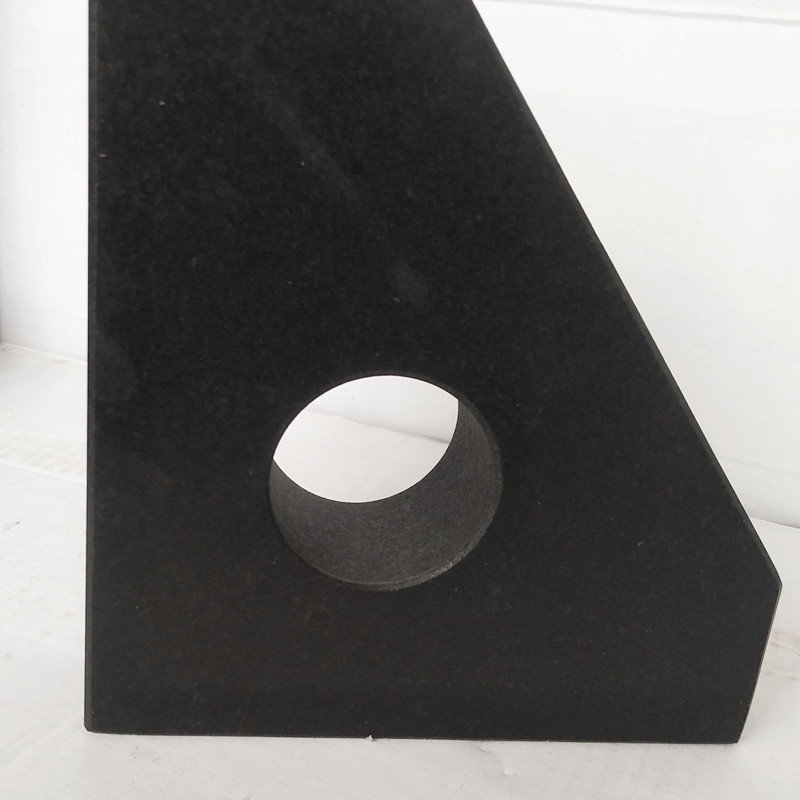
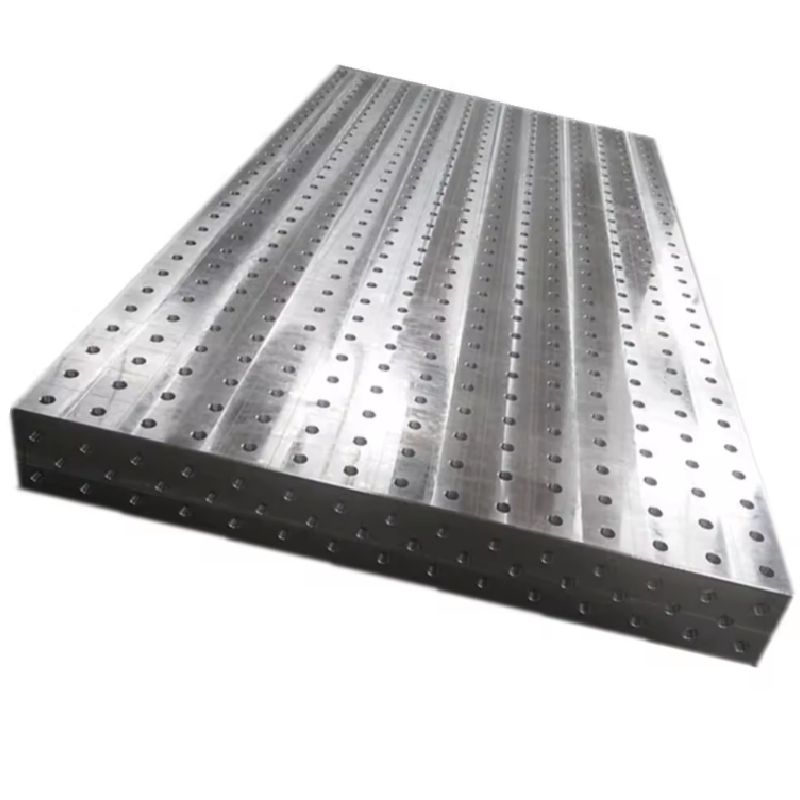
welding table heavy duty
Heavy Duty Welding Tables The Backbone of Metal Fabrication Welding is an essential process in metal
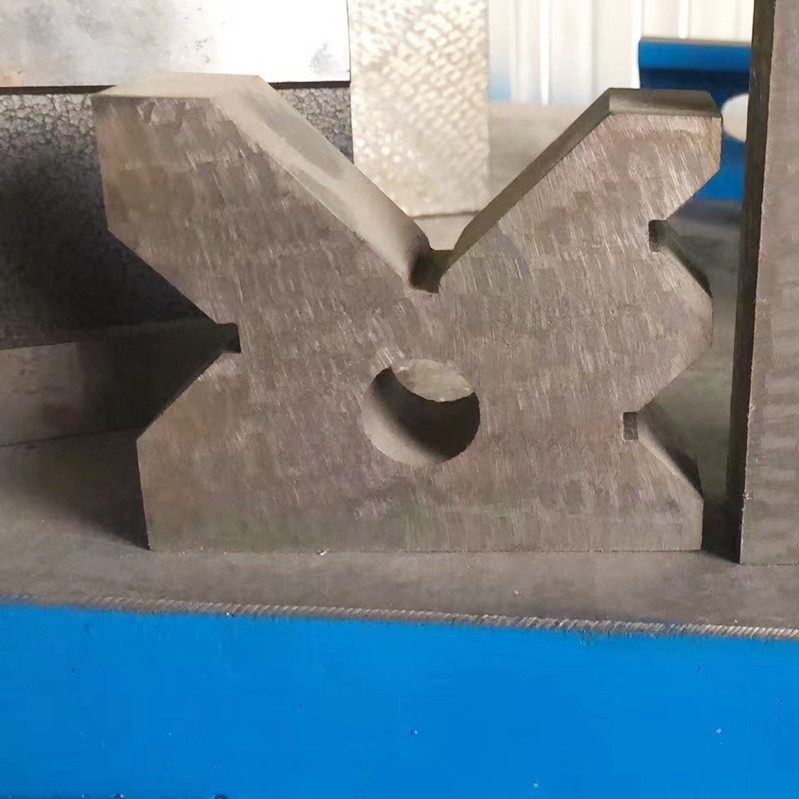
Versatile 3x6 Welding Table for Efficient Metalwork and Fabrication Projects
The Essential Guide to 3x6 Welding Tables Boosting Your Fabrication Skills Welding is an art and a s
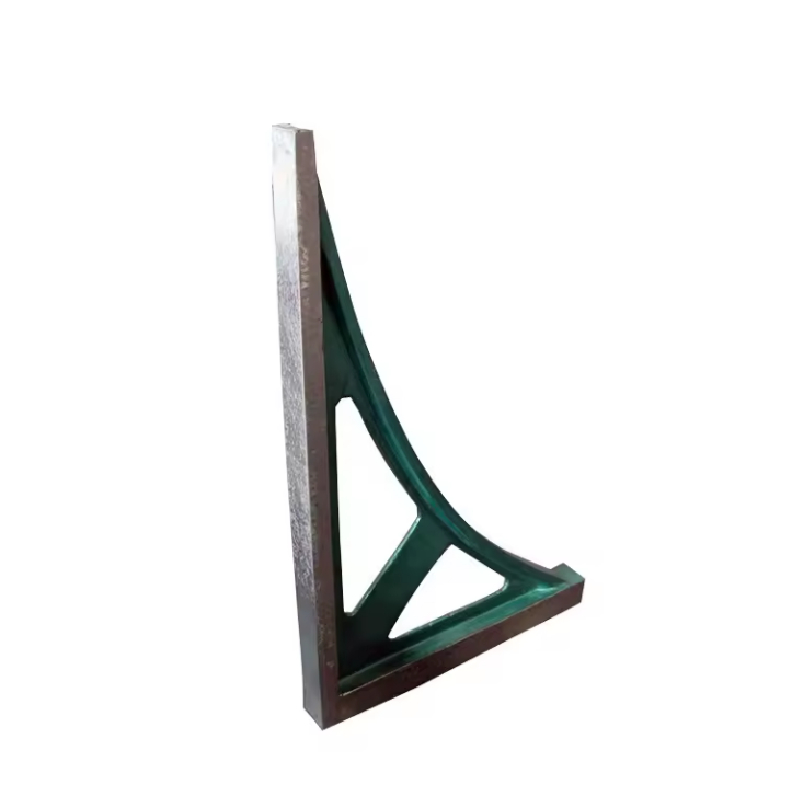
using a thread gauge
Using a Thread Gauge A Comprehensive Guide Threads are an essential component in countless mechanica
 English